

Saviynt's sales process typically showcases what the platform is capable of at full implementation. Post-implementation experience involves a different set of realities: how long it actually takes to get from signed contract to a functional governance program, what ongoing maintenance looks like, and whether the certification campaigns produce genuine governance outcomes or become rubber-stamp exercises.
The practitioner community's assessment of Saviynt post-implementation is mixed — it's a capable platform that does what enterprise IGA needs to do, but it comes with operational realities that organizations frequently underestimate during evaluation.
Implementation Reality vs. Expectations
Time to value is longer than expected. Saviynt, like most enterprise IGA platforms, requires significant upfront configuration before it delivers governance value. Building access profiles, mapping HR attributes, configuring connectors for each application in scope, and establishing the provisioning and deprovisioning workflows takes months — not weeks. Organizations that expected to be running access review campaigns within 60 days of signing frequently find that even a well-resourced implementation takes longer to reach that milestone.
The upfront configuration investment reflects how enterprise IGA works: you're defining the governance rules before the platform can enforce them. Access profiles that map job titles and departments to specific entitlements require organizational consensus that often doesn't exist in explicit form before the IGA project forces the conversation. The platform doesn't create this clarity — it requires it as a precondition.
Professional services dependency. Most Saviynt implementations involve significant professional services investment, either from Saviynt directly or from an implementation partner. The configuration surface is large and specialized, and the initial implementation typically requires expertise that isn't available in-house. Saviynt's implementation partner ecosystem exists because the platform requires it — this is a cost and timeline factor to account for.
Connector configuration for each application. Connecting Saviynt to your application stack involves configuring a connector for each application, mapping attributes, defining correlation rules, and testing provisioning and deprovisioning flows. For the 20-30 applications that an initial implementation typically covers, this is manageable. For the full application stack of a large enterprise, it extends the implementation timeline and the ongoing maintenance surface.
Post-Implementation Maintenance
Resource-level maintenance rather than centralized management. Saviynt's architecture involves configuration that is often managed at the individual source, connector, or workflow level rather than through a centralized administration interface. When something changes — an application updates its API, a new department needs to be added to a provisioning rule, a new role is created that doesn't map to existing access profiles — the maintenance work is specific to each affected component. This is manageable with dedicated IAM staff; it's a burden for teams without specialized Saviynt expertise.
Connector maintenance when applications change. When a connected application updates its API or makes changes that affect the connector interface, the connector configuration may need to be updated. Depending on the connector type and your support agreement, this may be handled by Saviynt, by your implementation partner, or by your team. Clarifying ownership of connector maintenance before going live is important because this happens regularly in production environments with active SaaS applications.
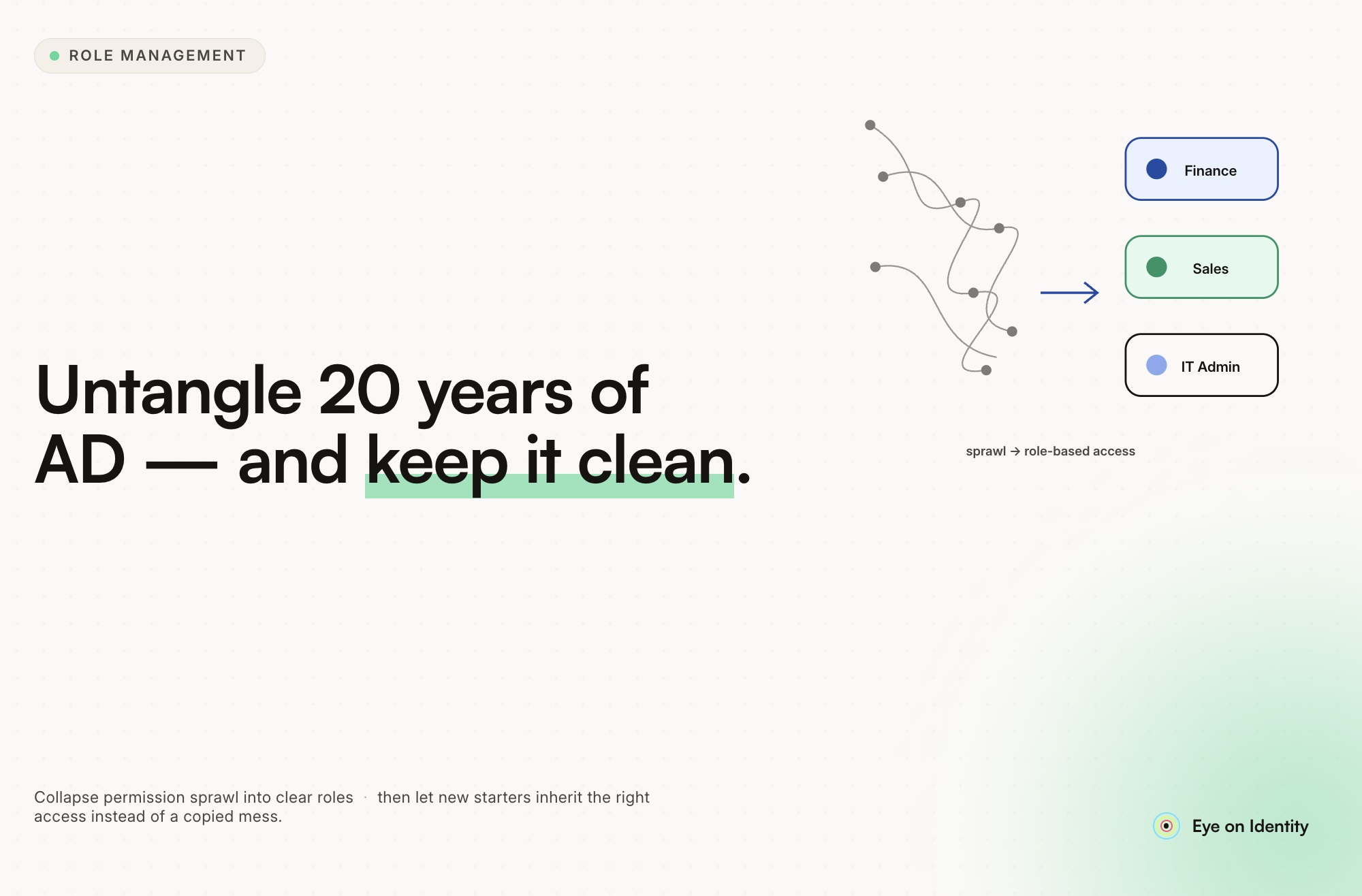
Ongoing role and access profile management. Access profiles that defined role-entitlement mappings at implementation need to be updated when organizational structures change, when new applications are added, and when job functions evolve. Organizations that treat this as a one-time setup find that their access profiles gradually become inaccurate, which undermines the governance value they were implemented to deliver.
The Access Certification Experience
The access certification cycle — periodic campaigns where managers and application owners verify that current access is still appropriate — is where Saviynt's post-implementation experience diverges most significantly based on how well the implementation was configured.
Reviewer fatigue from technical role names. A consistent practitioner observation: reviewers who see technical role identifiers like "IDC-IAM-User" or "Group-Admin-Prod" in their certification campaigns frequently don't know what those roles actually permit. Without human-readable descriptions of what a permission enables, reviewers default to approving everything — which produces compliance checkbox evidence but not genuine governance outcomes. Implementations that invest in building out role descriptions and human-readable tooltips address this; implementations that skip this configuration work create rubber-stamping at scale.
Volume without prioritization. Certification campaigns that present hundreds of access records at equal visual priority overwhelm reviewers into bulk approval. Saviynt supports risk-based prioritization configuration, but this requires implementation investment to set up. Out-of-the-box certification campaigns without prioritization logic contribute to the reviewer fatigue problem.
Campaign completion tracking and escalation. Getting reviewers to actually complete their assigned certifications within the campaign window is an operational challenge in any IGA platform. Saviynt's campaign management features support reminders and escalation, but the completion rate for certification campaigns depends as much on organizational change management as on the platform's reminders.
Where Saviynt Delivers Value
Compliance framework alignment. For organizations subject to SOX, HIPAA, SOC 2, or ISO 27001, Saviynt's access certification campaigns produce the timestamped, attributable evidence that auditors expect. The audit trail is mature and covers the access request, approval, provisioning, and certification record in a format that compliance teams and auditors find familiar.
SAP and financial system governance. Saviynt has strong SAP integration and Segregation of Duties controls specifically designed for financial system access governance. For organizations where SAP access control is a SOX compliance requirement, Saviynt's depth in this specific area is well-established.
Depth for complex on-premises and hybrid environments. Organizations with substantial on-premises infrastructure that needs to be governed alongside cloud and SaaS applications find that Saviynt's depth covers scenarios that lighter-weight platforms don't handle as completely.
Stickiness after full implementation. Once Saviynt is fully implemented with connectors configured, access profiles built, and certification cycles running, it's embedded deeply enough that replacement is a significant project. This stickiness has a cost (vendor lock-in, limited negotiating leverage at renewal) but also reflects the governance infrastructure value that's been built.
What to Watch For If You're Already Implemented
Static access profiles that haven't been updated. If your access profiles were built at implementation and haven't been reviewed since, they may no longer accurately reflect your current role structures. Running a role mining analysis against actual usage data identifies where profiles have drifted from current practice.
Shadow IT outside Saviynt's governance scope. Saviynt governs the applications it has been configured to govern. Applications adopted by employees or departments since implementation that weren't onboarded to Saviynt are invisible to its access reviews and offboarding workflows. Periodic shadow IT discovery — through browser agents or financial transaction analysis — identifies what's grown outside the governed perimeter.
Certification campaigns that are producing rubber stamps. If your completion rates are high but revocation rates are near zero across every campaign, you likely have a reviewer fatigue problem rather than a clean access environment. Implementing risk-based prioritization, adding human-readable role descriptions, and reducing campaign scope to focus on high-risk access first can improve certification quality.
Frequently Asked Questions
What is post-implementation Saviynt like to maintain?
Post-implementation Saviynt maintenance involves ongoing connector updates when connected applications change, access profile updates as organizational role structures evolve, and campaign management for periodic certification cycles. Organizations with dedicated IAM staff or partner support manage this effectively; organizations without specialized Saviynt expertise find the maintenance burden significant. Most practitioners recommend factoring at least 0.5-1 FTE of ongoing IAM administration time into the operational model.
Why do Saviynt access reviews often result in rubber-stamping?
Rubber-stamping in Saviynt certification campaigns most commonly results from: technical role names without human-readable descriptions that explain what the permission enables, certification campaigns that present all access records at equal priority without flagging dormant or high-risk accounts for attention, and reviewer volume that exceeds what someone can meaningfully review in the time allocated. All three can be addressed through implementation configuration — they're not inherent to the platform, but they require investment to fix.
How long does a Saviynt implementation typically take?
Enterprise IGA implementations on platforms like Saviynt typically range from 6-18 months for a full production deployment covering all in-scope applications. The first access certification campaign running on live data is often achievable in 3-6 months if scope is limited to a focused set of critical applications. The timeline depends heavily on the complexity of your application stack, the quality of HR data driving lifecycle automation, and the organizational readiness of stakeholders who need to participate in the implementation.
What are the alternatives if Saviynt isn't meeting your needs post-implementation?
Alternatives depend on what specific gaps you're experiencing. For organizations where the primary concern is reviewer experience and real-time usage insights, modern mid-market IGA platforms (Zluri, Lumos) offer better reviewer UX and usage-based governance at comparable or lower cost. For organizations whose primary gap is shadow IT visibility, adding a discovery layer (browser agents, financial transaction analysis) to the existing Saviynt deployment may address the gap without platform replacement. For organizations where the maintenance burden is the primary issue, working with a managed service provider who specializes in Saviynt administration is often more practical than platform migration.


.svg)